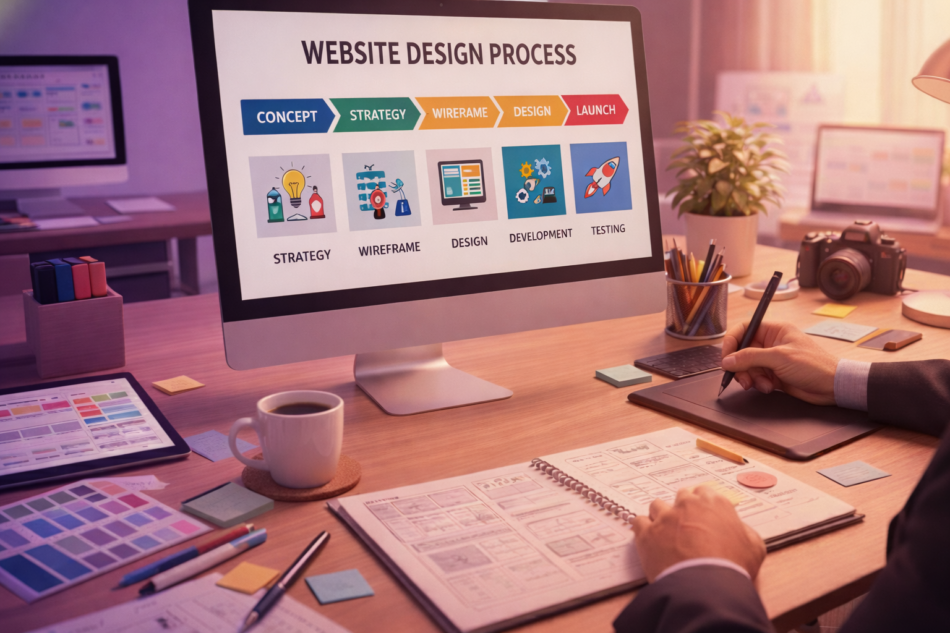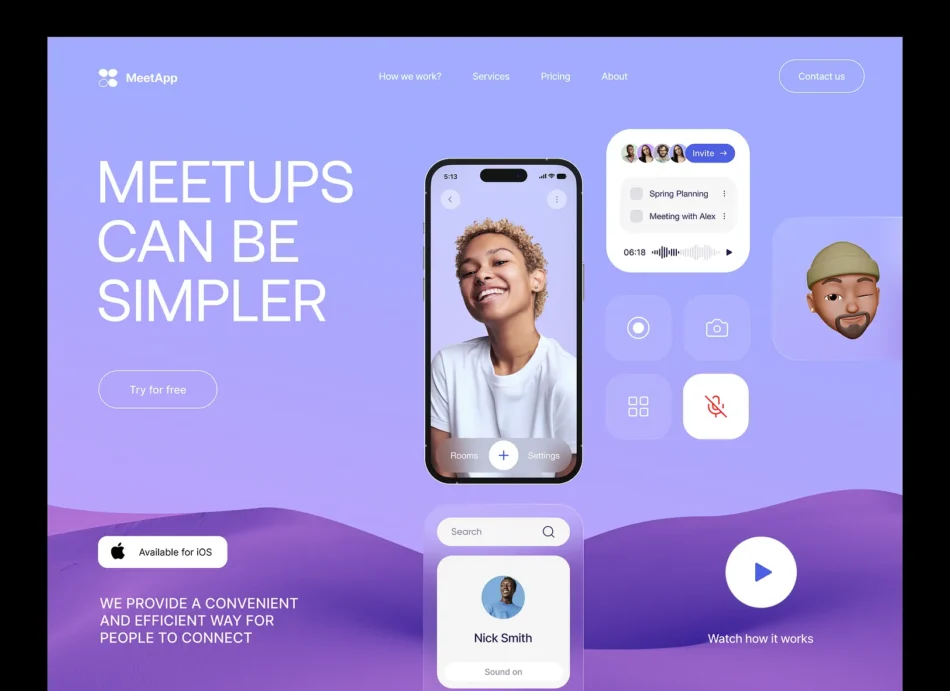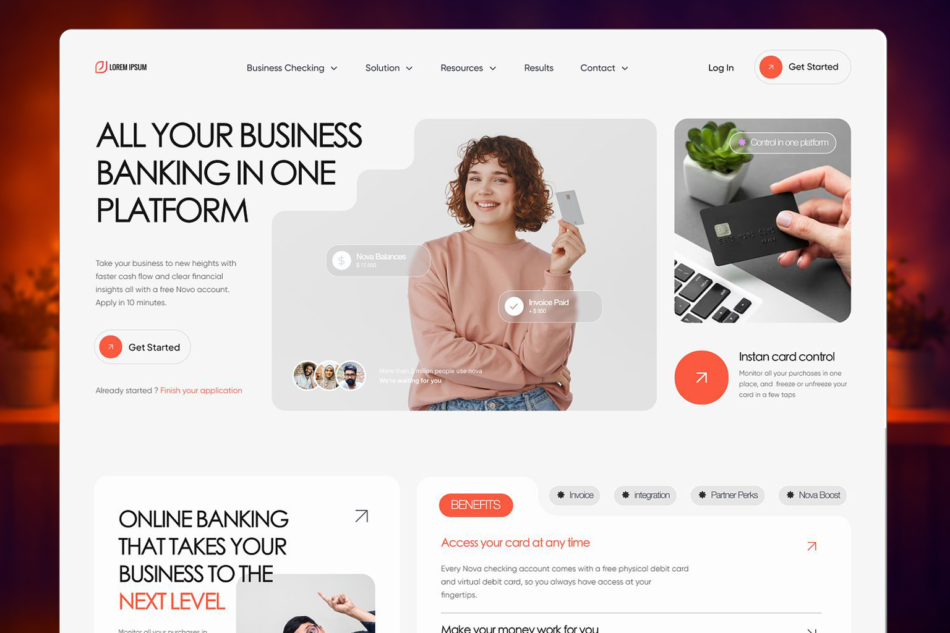

Traffic alone does not generate results. Smart UI/UX design transforms casual visitors into qualified leads by creating a seamless, intuitive, and persuasive online experience. Every interaction on your website should guide visitors toward meaningful engagement, ultimately converting attention into action.
“Design is not just what it looks like and feels like. Design is how it works.” – Steve Jobs
Introduction
UI (User Interface) and UX (User Experience) are two sides of the same coin. UI focuses on the visual presentation — colors, typography, buttons, and layout — while UX focuses on how easily users can achieve their goals. Together, a strong UI/UX design ensures visitors are not only impressed but guided efficiently through your website.
Clear Navigation and Layout
Visitors should instantly understand where to go. Logical menus, intuitive layouts, and clear hierarchy prevent confusion and frustration. When navigation is effortless, users are more likely to explore your offerings, engage with content, and ultimately take action.
Visual Hierarchy and Attention
A carefully designed visual hierarchy directs user attention to the most important elements. Headlines, spacing, contrast, and button placement should highlight your key value propositions and calls-to-action. Proper emphasis ensures users focus on what drives conversions.
Building Trust Through Design
Trust signals, such as testimonials, case studies, certifications, and professional visuals, reassure users of your credibility. A trustworthy website reduces hesitation and attracts higher-quality inquiries, filtering out visitors who are not serious leads.
Optimized Forms for Conversions
Forms are a critical step in capturing leads. Short, focused forms with clear instructions outperform long, cluttered ones. UX-optimized forms improve completion rates and ensure only genuinely interested visitors submit their details.
Mobile Experience Matters
Mobile traffic is no longer optional; it’s often the majority of visitors. Thumb-friendly buttons, readable text, and fast-loading pages are essential. A poor mobile experience immediately drives visitors away, reducing potential leads.
Continuous Improvement Through Data
Good UI/UX design is never static. Analytics, heatmaps, and user behavior tracking inform continuous optimization. Iterative improvements enhance engagement, reduce friction, and steadily increase the quality and quantity of leads over time.
Conclusion
Smart UI/UX design is a strategic investment. It does not merely make a website attractive; it makes it functional, persuasive, and revenue-generating. Businesses that prioritize thoughtful design consistently convert more visitors into loyal, qualified leads.