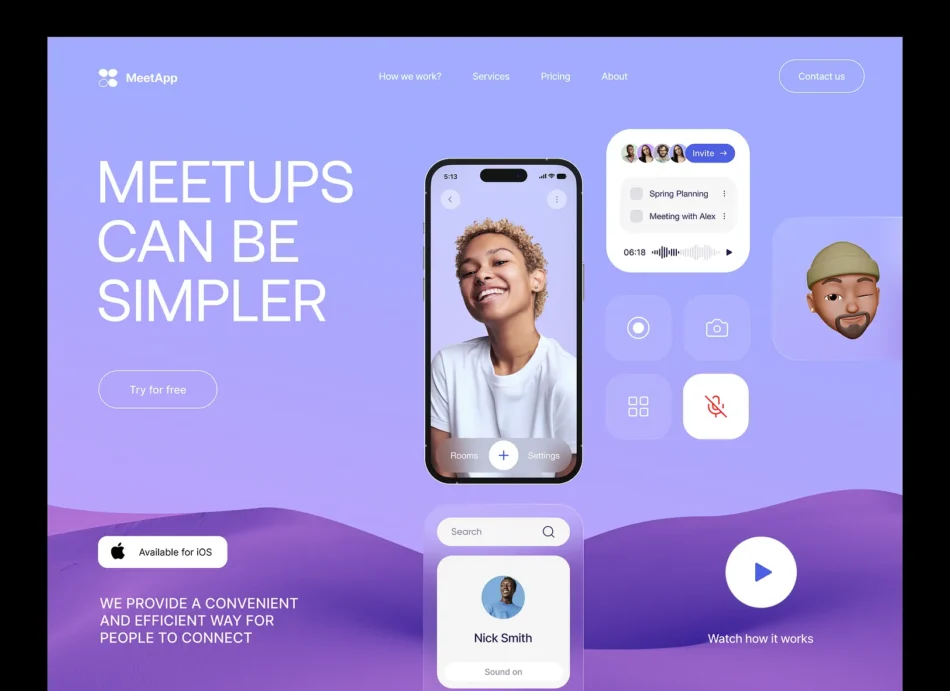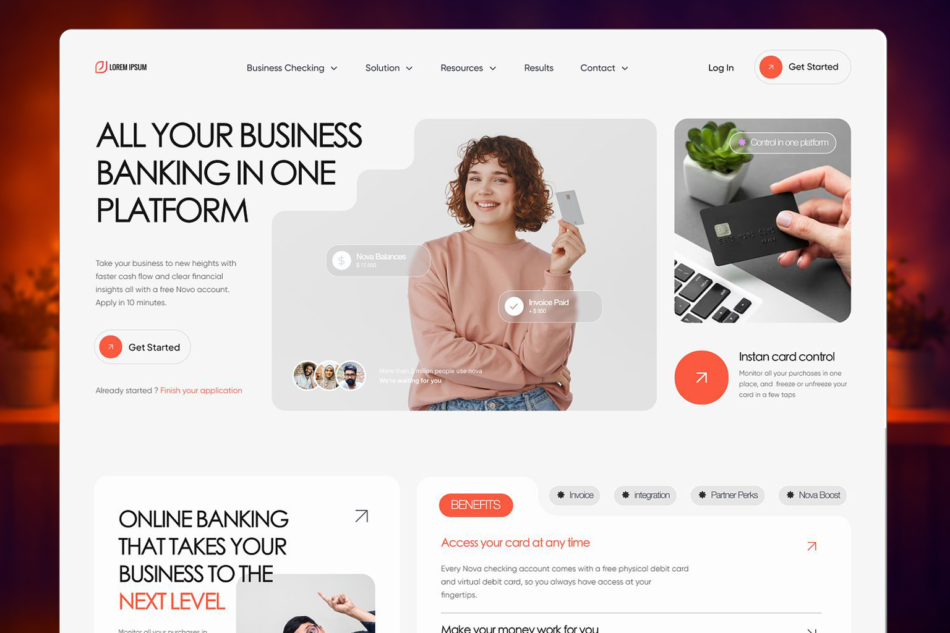

A visually appealing website means nothing if it fails to convert visitors into customers. Poor design decisions silently push potential clients away, increasing bounce rates and damaging brand credibility. Identifying and fixing these mistakes is essential if you want your website to support real business growth.
“People ignore design that ignores people.” – Don Norman
Introduction
Your website is often the first interaction a customer has with your business. Within seconds, users decide whether to stay or leave. Common design mistakes — from cluttered layouts to confusing navigation — directly impact trust, usability, and conversions. Understanding these issues is the first step toward creating a high-performing website.
Cluttered Layout and Information Overload
Trying to say everything at once confuses visitors. Overcrowded pages with excessive text, images, and multiple calls-to-action overwhelm users and dilute your core message. A clean, focused layout helps visitors quickly understand what you offer and why it matters.
Poor Navigation Structure
If users cannot find what they are looking for within a few seconds, they leave. Unclear menus, inconsistent page structure, or too many navigation options create frustration. Simple, logical navigation improves usability and keeps users engaged longer.
Ignoring Mobile Optimization
A website that performs well only on desktop is a serious liability. Mobile users expect fast-loading pages, readable content, and easy interaction. Poor mobile experience immediately reduces trust and drives potential customers away.
Weak Visual Hierarchy
Without a clear visual hierarchy, users do not know where to focus. Headlines, spacing, contrast, and button placement must guide attention naturally. When important elements fail to stand out, conversion opportunities are lost.
Lack of Trust Signals
Websites that do not display credibility struggle to convert. Missing testimonials, unclear contact information, outdated visuals, or inconsistent branding raise doubts in the user’s mind. Strong trust signals reassure visitors and encourage confident decision-making.
Slow Loading Speed
Speed has a direct impact on conversions. Slow-loading pages frustrate users and increase abandonment rates. Optimized images, clean code, and reliable hosting are essential to deliver a smooth and professional experience.
Unclear Calls-to-Action
If users do not know what to do next, they will not act. Weak, generic, or poorly placed calls-to-action reduce conversions. Clear, purposeful CTAs guide visitors toward meaningful actions such as contacting you, booking a call, or requesting a quote.
Conclusion
Website design mistakes do not just affect appearance — they cost real customers and real revenue. A strategic, user-focused design removes friction, builds trust, and supports conversions at every stage. Businesses that address these issues gain a measurable advantage in an increasingly competitive digital landscape.